


कला : पौराणिक संदर्भ में
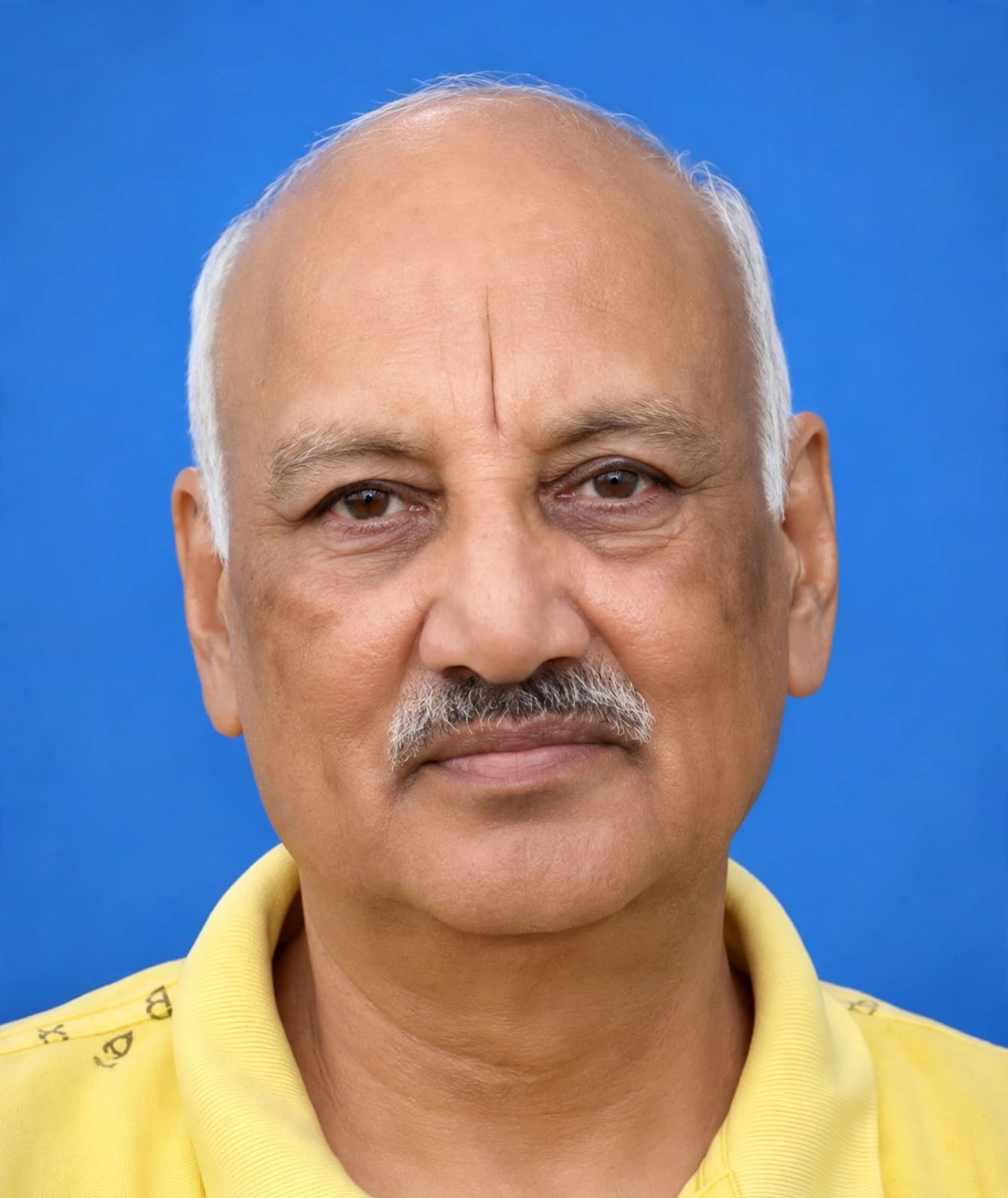


Arun Somani
In the past Industry and trade.
Now retired.
Reading, writing.
Teaching Hindi.
कला का अर्थ व परिभाषा
भारतीय परंपरा के अनुसार जिनमें किसी प्रकार का कौशल या निपुणता अपेक्षित हो, उन सभी क्रियाओं को कला कहा जाता है। कला (ART) मानव की रचनात्मक अभिव्यक्ति है, जिसमें शारीरिक, मानसिक कौशल और भावनाओं का उपयोग करके सुन्दर या अर्थपूर्ण कृतियां बनाई जाती हैं। संस्कृत में 'कला' शब्द की उत्पत्ति 'कल्' धातु (प्रसन्न करना) से मानी जाती है।
कला की मुख्य विशेषताएं और प्रकृति
मानवीय सृजन: कला प्रकृति की तरह ईश्वरीय नहीं बल्कि मनुष्य के बौद्धिक और शारीरिक कौशल का परिणाम है।
अनुभूति और अभिव्यक्ति: यह कलाकार की भावनाओं, विचारों और आंतरिक अनुभूतियों को दृश्य या श्रव्य (AUDIO-VISUAL) रूप में प्रकट करती है।
प्रकृति से संबंध: कला प्रकृति का अनुकरण कर सकती है या उससे प्रेरणा लेकर अमूर्त (ABSTRACT) रूप ले सकती है।
सौंदर्य बोध: यह जीवन को सुंदर बनाने और समाज को प्रेरित व संयोजित करने का कार्य करती है।

कला के सात प्रमुख तत्व
रेखा (Line): यह एक बिंदु से दूसरे बिंदु तक जाने वाला निशान है। यह सीधी, वक्र, मोटी या पतली हो सकती है।
आकार (Shape): यह एक द्वि-आयामी (2D) क्षेत्र है, जो ऊंचाई और चौड़ाई तक सीमित होता है।
रूप (Form): यह त्रि-आयामी (3D) होता है, जिसमें ऊंचाई, चौड़ाई और गहराई तीनों शामिल होती हैं।
स्थान (Space): यह वस्तुओं के आसपास या उनके बीच का क्षेत्र होता है, जो गहराई का भ्रम पैदा करता है।
मूल्य (Value): यह रंगों या स्वरों के हल्केपान या गहरेपन को दर्शाता है।
रंग (Colour): यह प्रकाश और दृष्टि से जुड़ा है, जिसके मुख्यतः गुण रंगत, मूल्य और तीव्रता है।
बनावट (Texture): यह किसी सतह के छूने पर महसूस होने वाला या दिखने वाला गुण (जैसे खुरदरा या चिकना) को बताता है।

कला के मुख्य प्रकार (विधायें)
चित्रकला (इसमें फोटोग्राफी भी है), मूर्तिकला, वास्तुकला, संगीत व नृत्य, साहित्य व काव्य, रंगमंच व नाट्य (इसमें वर्तमान युग में सिनेमा और टीवी भी शामिल है)।

कला के रूप
वेद, शास्त्र, सनातन धर्म और भारतीय ग्रन्थों के अनुसार मुख्य रूप से 64 कलाएं मानी गई हैं।
सूर्य की 12 कलाएं: तपिनी, तापिनी, धूम्रा, मरीचि, ज्वालिनी, रुचि, सुषुम्ना, भोगदा, विश्वा, बोधिनी, धारणी व क्षमा सूर्य की 12 कलाएं हैं। भगवान राम ने सूर्यवंश में जन्म लिया था और सूर्य की 12 कलाओं के आधार पर उनकी भी 12 कलाएं हैं।

चंद्रमा की 16 कलाएं (षोडस कला): चंद्रमा के 16 विशेष गुणों और प्रकाश की अवस्थाओं और चेतना के आयामों को दर्शाती हैं। हिंदू पंचांग के अनुसार शुक्ल पक्ष की 15 तिथियां और पूर्णिमा या कृष्ण पक्ष की 15 तिथियां और अमावस्या मिलकर चंद्रमा की 16 अवस्थाओं (कला) का निर्माण करती हैं; अमृता, मानदा, पुषा, पुष्टि, तुष्टि, रति, धृति, शशिनी, चंद्रिका, कान्ति, ज्योत्स्ना, श्री, प्रीति, अंगदा, पूर्णमृता, और कामदायिनी। ऐसा माना जाता है कि शरद पूर्णिमा के दिन चंद्रमा अपनी इन 16 कलाओं से परिपूर्ण होते हैं और अमृत की वर्षा करता है।

भगवान श्री कृष्ण की 16 कलाएं: भगवान श्री कृष्ण का चंद्रवंश में अवतार हुआ है और उन्हें सभी सोलह कलाओं से परिपूर्ण, पूर्ण अवतार माना गया है। वे हैं; दया, धैर्य, क्षमा, न्याय, निरपेक्ष, निरासक्त, तपस्या, अपराजेय, दानशील, सौंदर्यमय, नृत्यज्ञ, संगीतज्ञ, नीतिवादी, सत्यवादी, सर्वज्ञता और सर्वनियंता।
स्त्रियों में 16 कलाएं: स्त्रियों में भी 16 कलाएं (सोलह श्रृंगार या गुण) माने गए हैं। ये हैं: वस्त्र धारण, केश सज्जा, अंगराग, आभूषण सज्जा, माल्यार्पण कला, सुगंधित धूप या इत्र बनाना, गीत गायन कला, वाद्य वादन कला, नृत्यकला, पाककला, पान बनाना, शयनकक्ष सज्जा, अलंकृत श्रृंगार, धातु व आभूषण निर्माण, पात्र सज्जा एवं वार्तालाप कला।
कला का महत्व
यह समाज की संस्कृति, इतिहास और भावनाओं को अगली पीढ़ी तक पहुंचाती है। यह आंतरिक भावनाओं को बाहर व्यक्त करने और मानसिक शांति व आनंद प्राप्त करने का साधन है। भारतीय दर्शन में कला को 'सत्यम शिवम सुंदरम' (सत्य, शिव और सुंदर) के रूप में देखा गया है।

चित्र 6: भारतीय दर्शन में कला - सत्यम शिवम सुंदरम
कला का दर्शन, दर्शक के हृदय में रस का संचार करता है और कला के प्रदर्शन से दर्शक के मन को रंजना (सुख) प्राप्त होता है जिसे मनोरंजन कहते हैं। कलाकार की असली दुनिया उन सवालों में बसती है जो समाज और जीवन से जुड़े हैं। वह अपनी रचना से कुछ कहने, समझाने और बदलने का प्रयत्न करता है।
दुनिया किसी रचना को कितना भी श्रेष्ठ क्यों ना मान ले, उसका निर्माता उससे पूरी तरह संतुष्ट नहीं होता। कभी आपने सुना है कि किसी कलाकार ने अपने पूरे जीवन में केवल एक ही रचना प्रस्तुत की है और वही उसकी अंतिम कृति बन गई हो। वह निरंतर नया प्रयास कर, पहले से भी उत्तम रचना प्रस्तुत करने का प्रयास करता है।
अरुण कुमार सोमानी
ENGLISH TRANSLATION:
Art: In the Mythological Context
Meaning and Definition of Art
According to Indian tradition, all activities that require some kind of skill or expertise are called kala (art). Art is a creative expression of human beings, in which beautiful or meaningful works are created using physical and mental skill and emotion. In Sanskrit, the word kala is believed to derive from the root kal (to please or gladden).
Main Characteristics and Nature of Art
Human creation: Unlike nature, art is not divine. It is the result of human intellectual and physical skill.
Feeling and expression: It expresses the artist’s emotions, thoughts and inner experiences in a visual or audible (audio-visual) form.
Relation to nature: Art can imitate nature, or take inspiration from it and become abstract.
Aesthetic sense: It makes life beautiful and works to inspire and unite society.
The Seven Main Elements of Art
Line: A mark that runs from one point to another. It can be straight, curved, thick or thin.
Shape: A two-dimensional (2D) area, limited to height and width.
Form: Three-dimensional (3D), including height, width and depth.
Space: The area around or between objects, which creates the illusion of depth.
Value: The lightness or darkness of colours or tones.
Colour: Related to light and vision, with the main properties of hue, value and intensity.
Texture: The quality of a surface that is felt by touch or seen (for example, rough or smooth).
Main Types (Genres) of Art
Painting (which includes photography), sculpture, architecture, music and dance, literature and poetry, and theatre and drama (which in the present age also includes cinema and television).
Forms of Art
According to the Vedas, scriptures, Sanatan Dharma and Indian texts, 64 arts are recognised.
The Sun’s 12 kalas: Tapini, Tapini (Tāpinī), Dhumra, Marichi, Jvalini, Ruchi, Sushumna, Bhogada, Vishva, Bodhini, Dharani and Kshama are the Sun’s 12 kalas. Lord Rama was born in the Solar dynasty, and on the basis of the Sun’s 12 kalas he too is said to have 12 kalas.
The Moon’s 16 kalas (Shodasha Kala): These represent the Moon’s 16 special qualities, its states of light, and the dimensions of consciousness. According to the Hindu calendar, the 15 tithis of the bright fortnight plus the full moon, or the 15 tithis of the dark fortnight plus the new moon, together form the Moon’s 16 states (kalas): Amrita, Manada, Pusha, Pushti, Tushti, Rati, Dhriti, Shashini, Chandrika, Kanti, Jyotsna, Shri, Priti, Angada, Purnamrita and Kamadayini. It is believed that on Sharad Purnima the Moon is complete with all 16 kalas and showers nectar.
Lord Krishna’s 16 kalas: Lord Shri Krishna incarnated in the Lunar dynasty and is regarded as the complete incarnation, perfect in all sixteen kalas. They are: compassion, patience, forgiveness, justice, impartiality, detachment, austerity, invincibility, generosity, beauty, mastery of dance, mastery of music, wisdom in conduct, truthfulness, omniscience and supreme governance of all.
The 16 kalas in women: Women, too, are said to have 16 kalas (the sixteen adornments, or qualities). They are: dressing, hairstyling, applying cosmetic unguents, arranging jewellery, garland-making, preparing fragrant incense or perfume, singing, playing musical instruments, dancing, cooking, preparing paan, decorating the bedroom, ornamental make-up, making metalwork and jewellery, decorating vessels, and the art of conversation.
The Importance of Art
It carries a society’s culture, history and emotions to the next generation. It is a means of expressing inner feelings and of attaining mental peace and joy. In Indian philosophy, art is seen as Satyam Shivam Sundaram (the True, the Auspicious and the Beautiful).
Viewing art spreads rasa (aesthetic essence) in the viewer’s heart, and the viewer’s mind receives ranjana (delight) from the performance of art, which is called manoranjan (entertainment). The artist’s real world lives in the questions that concern society and life. Through his creation, he tries to say something, to explain, and to bring about change.
However highly the world may regard a work, its creator is never fully satisfied with it. Have you ever heard of an artist who presented only one work in his whole life, and that became his final work? He keeps making new attempts, striving to present something better than before.
Arun Kumar Somani
Comments