


'बम्बई में एडजस्ट हो गए क्या ?'
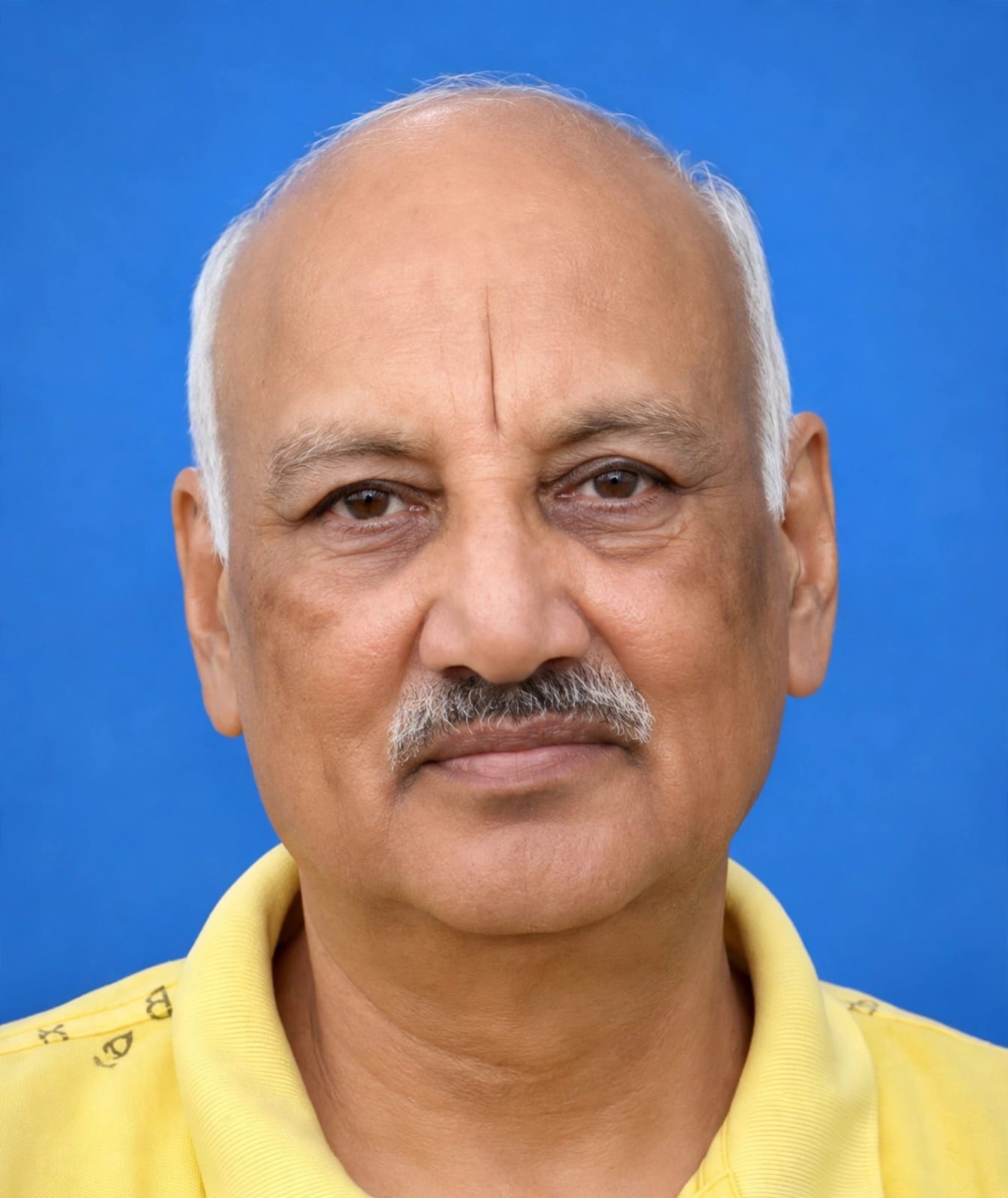


Arun Somani
In the past Industry and trade.
Now retired.
Reading, writing.
Teaching Hindi.
'बम्बई में एडजस्ट हो गए क्या ?'
(व्यंग्यात्मक आत्मकथ्य)
अरुण कुमार सोमानी
बंगाल (कोलकाता) से बम्बई 11 अप्रैल, 2026 को आया था। अपने जीवन के 69 बसंत बंगाल में व्यतीत कर मैं सपत्नीक अब स्थायीरूप से इस महानगरी में अपने बेटे-बहू और उनके दो बेटों के साथ बसने हेतु आया था।
आरंभ में, मेरे मुंबई में कोई संपर्क नहीं थे और अधिकांश फोन कलकत्ता (अभी तक कोलकाता बोलने की आदत नहीं है) से जिन भी रिश्तेदारों, परिचितों और मित्रों के आते थे, उनका बस यही प्रश्न होता था कि :
"बम्बई (अभी तक उनको भी मुंबई बोलने की आदत नहीं है) में एडजस्ट हो गए क्या ?"
इस 'यक्ष प्रश्न' का उत्तर मुझे सूझते नहीं बन रहा था। हम जो वस्त्र धारण करते हैं, वे निरंतर पहनने और धुलाई के बाद स्वत: ही हमारे शरीर के आकार में एडजस्ट हो जाते हैं, हमारा बदन कपड़ों के अनुसार एडजस्ट नहीं होता।
इसके अतिरिक्त हमारे सिर की टोपी, जिसमें हमें अपना सिर छिपाना पड़ता है, हमारे सिर के आकार में एडजस्ट हो जाती है। यहां तक कि हम अपने पैर भी जिन जूतों की जोड़ी में घुसाते हैं, वे भी हमारे चलने के अंदाज से एक खास तरफ घिस जाते हैं और हमारे पैरों के अनुसार एडजस्ट हो जाते हैं।
जब आपादमस्तक हमारा सारा आवरण हमारे अनुसार एडजस्ट हो जाता है, तो यह महानगरी मेरे अनुसार क्यों एडजस्ट नहीं होगी, और मुझे एडजस्ट होना पड़ेगा? यह प्रश्न पूछने वालों की नजर में संभवतः कोलकाता कोई गांव है और मुंबई महानगर।
कोलकाता में हम एक दस तल्ले की बिल्डिंग में रहते थे और यहां हमारा फ्लैट 10 के भी ऊपर 11वीं मंजिल पर है।
12 तारीख से अपनी दैनिक दिनचर्या अनुसार, प्रातः भ्रमण का कार्यक्रम जारी रखा और 5:30 बजे उद्यान में टहलने हेतु आ गया। उद्यान में कदम रखते ही मुझे दो बातें महसूस हुईं ।
पहली कि मैं प्रात:भ्रमण नहीं, रात्रि-भ्रमण कर रहा हूं चारों ओर उद्यान विद्युत की जगमगाहट से रात्रि का आभास करा रहा था और गगनचुंबी अट्टालिकाओं के मध्य, जहां कहीं भी आकाश दीख रहा था, वहां सूर्य छोड़, लालिमा भी दृष्टिगोचर नहीं थी।
दूसरी कि मैं 13-14 अट्टालिकाओं से स्वयं को घिरा पाया, मानो में कोई बहुत खतरनाक कैदी हूं, जिसे अत्यंत ऊंची दीवारों के मध्य कैद कर रखा है। इस कारावास की पुष्टि भी शीघ्र हो गई।

एक सप्ताह तक मेरा रात्रि-भ्रमण का समय कोलकाता की घड़ियों के अनुसार ही चलता रहा। एक घंटा टहलने के बाद जब मैं अपने आवास आता था तो अंतिम 15- 20 मिनट में कुछ मुंबई की घड़ी से उठने वाले पुरुष और महिलाएं भी प्रातः भ्रमण को आते दिखे।
सात दिनों में कुछ चेहरे और उनकी चाल पक्की होती गई। एक दिन एक सज्जन से मेरी आंखें चार हो गईं और उन्होंने सामने से मुझसे पूछ ही लिया :
'कितने नंबर में हो, नए आए हो?'
मैंने उनके बाद वाले प्रश्न का संक्षिप्त उत्तर दिया,
'हां',
और ठहर गया। मुझे लगा इनसे कुछ बात होगी। उन्होंने अपने पहले सवाल को और सही ढंग से पूछा,
"कितनी नंबर टावर में रहते हैं?"

मुझे एक बार तो आभास हुआ ये किसी कैदी की भांति मुझसे नंबर क्यों पूछ रहे हैं? फिर मैंने सोच कर जवाब दिया, सोलह,स्वीट सिक्सटीन।
वे खिलखिला कर हंस पड़े। न उन्होंने मेरा नाम, फ्लैट नंबर पूछा, ना ही अपने आप को जेलर मानकर, अपने बारे में कुछ बताया। मगर हां जाते-जाते यह निर्देश दे दिया कि
'थोड़े विलम्ब से आयें, कुछ और लोगों से मिलना हो जाएगा।'
घर पर आकर मैंने घने चिंतन के बाद अपनी कलकत्ता की अलार्म को परिवर्तित कर दिनचर्या को आधा घंटा पीछे धकेला।
मुझे विलम्ब से आने वाले लोगों से मिलने की इतनी उत्सुकता नहीं थी जितनी अपने रात्रि-भ्रमण को प्रात: भ्रमण में एडजस्ट करने की।
सो साहब यही एक महत्वपूर्ण एडजस्टमेंट था जो मुझे करना पड़ा। पर मन ने यही समझाया कि तुम महानगरी के हिसाब से नहीं सूर्य के अनुसार एडजस्ट कर रहे हो और यह जीवन में एक बार ही करना पड़ेगा।
भारतीय समय में एक सुविधा है कि हमें अपनी घड़ियों को अन्य कई देशों के नागरिकों की तरह वर्ष में दो बार एडजस्ट नहीं करना पड़ता है।
बहरहाल उन सज्जन से रोज मुलाकात होती और वे गुड मॉर्निंग कहते और मैं राम-राम। दो-तीन दिन बाद मैंने उनको और अन्य घूमने वालों को भी इस खुली जेल के कैदी के रूप में माना और दबे स्वर में हिम्मत करके पूछ बैठा ,
'आप कितने नंबर में हैं ?'
उत्तर मिला और नाम भी ज्ञात हुवे।उसके बाद उनके माध्यम से कुछ अन्य घूमने वालों से नंबर और नामों का आदान-प्रदान हुआ, पर उससे आगे परिचय नहीं बढ़ा।
मुझे सभी टहलने वाले पुरुष एवं महिलाएं धीरे-धीरे परिचित चेहरे लगने लगे। इससे पूर्व उनसे मिलने पर चेहरे पर जो मौन स्मित भाव लाने पड़ते थे, वे अब, राम-राम में परिवर्तित होने लगे। उद्यान की आलोक व्यवस्था भी अब मेरे लौटने से पहले बुझा दी जाती थी।

हरीतिमा और उन पर सफेद फ्रेंगिपानी के फूल तथा अट्टालिकाओं की दरारों से लालिमा भी नजर आने लगी। सूर्य देवता के दर्शन तो अब भी घर लौट कर ही होते थे। अब धीरे-धीरे बम्बई मेरे अनुसार एडजस्ट हो रही थी।
इस दौरान,उद्यान में जाने के लिए मुझे लिफ्ट का उपयोग करना पड़ता था। मैंने अपने 12 वर्षीय बड़े पोते से समझा यह P4, P3 क्या है?
उसने बताया कि यह पोडियम है और P3 तक ही नहीं P1 तक है। और उसके नीचे B1 और B2 है यानी जमीन के नीचे भी इतने तल्ले हैं जिन में गाड़ियां पार्क होती हैं।
मुझे पोडियम याद रखना तो दुष्कर लगा, तो मैं P1 से P4 और CH1, CH2 वाली, बोलचाल की भाषा अपनाने लगा।
कुछ महीने बीत गए और बरसात का मौसम आरंभ हुआ, जो इस वर्ष हमारे स्वागत में 15- 20 दिन विलम्ब से हुआ था। एक दिन टहलते- टहलते बारिश तेज हो गई।
मैंने जिस टावर में शरण ली, वहां कुछ और लोग भी आ गये। वे आपस में P1 में जाने की चर्चा करने लगे।
मैं भी चुपके से उनके साथ हो लिया और सोचा कोई छिपने की जगह होगी पर P1 में जाकर देखा कि वहां एक तरफ खुली दीवार के पास टहलने की काफी जगह थी और बारिश भी दीख पड़ती थी।

वहां जाल से घिरी एक जगह थी जहां बच्चों को क्रिकेट का अभ्यास कराया जाता था।मैं पहली बार P1 में आया था और अंदर ही अंदर देखा कि यह तलघर सभी टावरों को जोड़कर बना है।
आप अंदर ही अंदर बगैर बौछार में भीगे अपनी मनचाही टावर में प्रवेश कर सकते हैं। P1 से 11 वें तल्ले पर जाना सहज था पर 11वें तल्ले से P1 में लिफ्ट से कैसे जाऊं? पोते ने मदद की, 'दादा P के साथ 1,2,3, या 4 दबा कर।
अब समझ आ गया था। मैंने P1- P2 के अंदर ही अंदर के सारे मार्ग समझ लिए थे और मुझसे पहले से आए साथियों का मार्गदर्शक बन गया था।
कुछ अनुसंधान करने के उपरांत समझ में आया कि यह P4 से P1 तक तो पोडियम नहीं पाताल लोक है और उसके नीचे B1, B2 जमीन के अंदर शीतनिद्रा (HIBERNATION) में रहने वाले पशुओं के बिलों की तरह है।बाद में पोते ने एक दिन बताया की P1 में एक दिन जिंदा सांप भी पकड़ा गया था।अर्थात P पाताल लोक और B बिल है।
P4 सब टावर में एक है, उसके नीचे के नंबर टावर की ऊंचाई और मुख्य प्रवेश द्वार की तरह अलग है। लिफ्ट में कहीं P3, 0 है तो कहीं P2, 0 और कहीं P1, 0 है, पर टहलने वाली जगह सर्वत्र P4 है ।
P4 में पगडंडिया इतनी संकरी है कि वहां 4 PERSON एक साथ नहीं चल सकते हैं। वहां धारा 144 सर्वदा लागू रहती है, इसलिए वह P4 है। अब जमीन के नीचे के तल्ले मेरे अनुसार एडजस्ट हो गए थे।

अब एक दिन पैदल मुख्य सड़क से प्रवेश किया तो काफी चढ़ाई थी। फिर मार्ग बायीं तरफ और ऊपर चढ़ गया, फिर दाहिने घूम के नीचे आया।
यह प्रवेश द्वार पश्चिम दिशा में था, यानी चांदपोल वाला दरवाजा था और इसके विपरीत हमारे टावर से पूर्व दिशा में एक दरवाजा था जो सिर्फ निकास के लिए था और घूम कर कई दरवाजों को पार कर नीचे जाता था।


पूर्व दिशा का यह दरवाजा सूरजपोल दरवाजा एडजस्ट हो गया। टावर 15-16 के सामने जो विपिन था, उसमें आच्छादित विटपों के मध्य नैसर्गिक वातावरण में काष्ठ का धरातल स्थापित कर उसे साधना स्थल (MEDITATION PLAZA) के रुप में एडजस्ट कर लिया गया है।

टावर 16 के पीछे तथा टावर 13-14 के मुख्य द्वार के सम्मुख जो वनस्थली थी उसमें बच्चों का पार्क बनाकर और रस्सियों पर आधारित सेतु निर्माण कर लक्ष्मण झूले का स्वरूप प्रदान कर एडवेंचर पार्क के नाम से एडजस्ट कर लिया गया है।टावर 16 के आगे तथा पीछे के इन दोनों काननों में रात भर झींगुर गुंजायमान रहते हैं।
बरसात के मौसम में दादुर भी उनके स्वर में स्वर मिलाते रहते हैं। उनकी जुगलबंदी को भी हम प्रकृति के संगीत के रूप में एडजस्ट करते हैं।

सूरजपोल से जो मार्ग नीचे जाता है, उसमें एकदम अन्त में, मुख्य सड़क के पूर्व L&T के पूर्व अध्यक्ष A.M.NAIK जी की सवा दो वर्षीय पोत्री 'निराली' की स्मृति में, उसके नाम से ही एक अस्पताल बना कर प्रवेश द्वार का प्रचलित नामकरण कर एडजस्ट कर लिया गया है।

वहां कई विशेषज्ञ डाक्टर बैठते हैं, परीक्षण भी होते हैं, मरीजों को भर्ती रखने और चौब्बीस घंटे खुली रहने वाली दवा की दुकान भी है।
परिसर (COMPLEX) के अंदर से वहां जाने का दरवाजा वर्तमान में बंद हैं पर P1 से टावर 12B की सुरंग से निकलकर शीघ्र पहुंचा जा सकता है। तो आपातकालीन चिकित्सा भी एडजस्ट हो गई है।दोनों प्रवेश द्वार से ऊपर चढ़कर हमारा परिसर एक टीलेनुमा धरातल पर था, तो अब यह कारावास किले के रूप में एडजस्ट हो गया।
फिर हमारे परिसर का नाम EMERALD ISLE अटपटा सा लगा। EMEDRALD यानी मरकत या पन्ने हरे रंग का चमकीला जवाहरात तथा ISLE अर्थात छोटा द्वीप। कुल मिलाकर पानी के मध्य ऊंचा उठा हुआ हरे रंग का चमकदार छोटा सा टापू जिसे किले का रूप दिया गया हो।

वस्तुतः में जिसे खुला कारावास समझ रहा था वह हरीतिमा से भरा उद्यान था, अतः मरकत का टापू और इस पर मनोरंजन की इतनी सुविधा (टेनिस, बास्केटबॉल, बेडमिंटन, स्क्वैश,टेबल टेनिस,पूल,कैरम, बच्चों के झूले, फिसल पट्टी, व्यायाम शालायें, आकाश की ओर खुले तरणताल, योगाभ्यास स्थल,नाना प्रकार के व्यायाम उपकरण,मीटिंग रूम, बहुउद्देशीय सभागार,मिनी थियेटर, पुस्तकालय और भी अनेक कुछ) है।तो यह किला एक समुद्री यात्रा करने और विहार करने वाले पोत (CRUISE) के रूप में एडजस्ट हो गया।

जो बंद घड़ी वाला घंटाघर है,वह CRUISE वाले जलपोत की चिमनी है। P4 हमारे CRUISE वाले जहाज की डैक है। यहां पर संध्या समय शिशुओं को स्ट्रोलर में घुमाया जाता है,छोटे बच्चे खेलते हैं, महिलाएं टहलती हैं तथा वरिष्ठ नागरिक गपशप करते हैं।
जहाज में आवास डैक के नीचे होता है, हमने उसके विपरीत सारी आवासीय व्यवस्था डैक के ऊपर एडजस्ट की है।
हमारे परिसर में चांदपोल वाले दरवाजे से प्रवेश करने पर सामने एक घंटाघर भी बना है, जिसमें घड़ी की सुइयों का मैंने कभी दर्शन नहीं किया।

जो बंद घड़ी वाला घंटाघर है, यदि परिसर को किला समझते हैं तो चित्तौड़गढ़ स्थित विजय स्तम्भ का पर्याय मान कर एडजस्ट कर सकते हैं।

हमारे परिसर में कुल सोलह टावर हैं ।टावर एक इंजन और हमारी टावर 16 गार्ड है, कुछ नंबर सांप की तरह घुमावदार है। वर्ष 1980 में एक चलचित्र आया था, 'द बर्निंग ट्रेन'।
यह तो कुछ उसकी कहानी के 'सुपर एक्सप्रेस' की तरह है।
दिल्ली से आने वाली ट्रेन को रोकने के लिए बम्बई में उसे Inclined पर चढ़ाया गया था, हमारा इंजन, टावर एक भी INCLINED पर है।

टावर एक में जब INCLINED का निर्माण हुआ तो वह कुछ ज्यादा ही बड़ा बन गया। इंजन के थम जाने के बाद भी कुछ हिस्सा INCLINED का बच गया, उसे बेबीलोन के सीढ़ीनुमा नजर बाग के रूप में एडजस्ट कर लिया गया।
पर चूंकि शाही बाग है अतः उसे सब नहीं देख पाते हैं।टावर 1 सामने दोनो ओर की ढलान तथा टावर 2 के मध्य दार्जिलिंग के समीप भारत के सबसे ऊंचे रेलवे स्टेशन GHOOM के नीचे स्थित छोटे आकार का BATASIA LOOP एडजस्ट किया है।

फिर 2 से 6 नंबर टावर और घूम कर 7 से 15 नंबर टावर और अंत में हमारा गार्ड (टावर 16) नीचे में है। एक नम्बर टावर और सोलह नम्बर टावर को छोड़ जोकि इंजन तथा गार्ड हैं शेष चौदह डिब्बों के मुख्य दरवाजे दूसरी तरफ खुलते हैं, पर पीछे वाले दरवाजे प्लेटफार्म नम्बर 4, अर्थात P4 की तरफ खुलते हैं, जहां से आपको आगे की यात्रा अपने पैरों पर ही करनी पड़ती है।पर प्रभु ने ऐसा एडजस्ट किया है कि सभी यात्री (आवासी) आनंद से हैं।
मुझे पढ़ने और लिखने का शौक है। पुस्तकालय देखने गया तो वहां नीचे EI UNIVERSE के नाम की पत्रिका रखी थी।

ज्ञात हुआ, हर महीने निकलती है। मैंने इस बाबत प्रातः भ्रमण के साथियों से पूछा तो मुझे हर दिन टहलते हुवे मिलने वाले एक नाटे कद, कंधों तक लहराते लम्बे घुंघराले केश और भारोत्तोलन करते शख्स से पत्रिका के सम्पादक के रूप में मिलाया गया।
लम्बे केश वाले रबीन्द्रनाथ ठाकुर, सूर्यकान्त त्रिपाठी 'निराला' व सुमित्रानंदन पंत याद आते हैं।पहले दो के दाढ़ी भी थी अतः पंत जी से अधिक साम्यता है।सुमित्रानंदन पंत की तरह लम्बे केश तो ठीक थे, अंगुलियां तो आजकल कलम नहीं पकड़ती और गठीला बदन, पत्रकारिता से मिलान नहीं हो रहा था।
तब एक बात समझ आयी कि आज के डिजिटल और AI के युग में कलम में नहीं बाजुओं में ताकत होनी चाहिए। खैर सम्पादक महोदय से परिचय होकर मेरा लिखने का शौक भी एडजस्ट हो गया।
हमारे उद्यान में ही एक जगह को एम्फी थियेटर कहा जाता है।

होली, जन्माष्टमी, गणपति पूजन, क्रिसमस और अन्य सांस्कृतिक कार्यक्रम यहां तक की कलकत्ते की भांति दुर्गा पूजा भी यहीं आयोजित की जाती है, तो इस संदर्भ में बम्बई मेरे अनुकूल एडजस्ट हो रहा था। मेरे परिचित और साथी नित्य बढ़ रहे थे।
अब तो यह स्थिति थी कि मैं अपने से पहले बसे लोगों का अन्य लोगों से परिचय करवाने लगा था। मेरे आवास की खिड़की से विमान स्थल पर आगमन और प्रस्थान करने वाली चील गाड़ियां (AEROPLANE ) भी नजर आती थीं।
सब कुछ एडजस्ट हो रहा था।
फिर एक दिन पता लगा की साग-भाजी और फल इत्यादि भी CH 1 के नीचे P3 में यहीं मिल जाते हैं ।
मुझे अपने हाथों से क्रय करने की आदत और शौक है तो उसके लिए बाहर नहीं जाना पड़ेगा, यह भी एडजस्ट हो गया।
उसी के समीप P3 में टावर आठ तथा नौ के मध्य बच्चों की विभिन्न स्कूलों की बसें आती हैं, जो उनको लाने छोड़ने का काम करती है, बच्चों की स्कूल की व्यवस्था भी एडजस्ट हो गई।
मैंने कहीं किसी का नाम नहीं लिया है, कारण यदि कोई नाराज हो गया फिर उसे मनाने के लिए मुझे एडजस्ट करना पड़ेगा। निष्कर्ष यह है कि हमारी सोच सकारात्मक हो तो हमें एडजस्ट नहीं करना पड़ता हमारा आसपास का वातावरण ही हमारे अनुसार एडजस्ट हो जाता है।
View from Tower 1:
Flowers of Society:
किंकर्तव्यविमूढ़ हो हम यदि सोचते रहें कि
कलकत्ते की,
काली माई की नगरी से आकर यहां
कैसे होगा?
क्या करुंगा?
कैसे लोग होंगे?
कैसी जगह होगी?
कैसे एडजस्ट करुंगा?
कन्फ्यूजन हमें इतना उलझा देंगे कि, उससे निकल कर
किन्हीं भी प्रश्नों के उत्तर नहीं दे सकेंगे।
किन्तु मुम्बई की मुम्बादेवी की,
कृपा से जिस नये
काम्प्लेक्स को,
कारावास समझ बैठा था,वह
किले के रूप में सुरक्षित हो,
क्रूज की सुविधा प्रदान कर रहा है, तथा
कदम-कदम पर लोग जुड़ते गये,और
कारवां बन गया।
कुछ आप ही बताएं, "बम्बई में एडजस्ट हो गए क्या ?"
कह दूं, इसके उत्तर में,कि
"मुंबई ही एडजस्ट हो गया है।"
अरुण कुमार सोमानी
ENGLISH TRANSLATION: Have You Adjusted to Bombay?
A Satirical Autobiographical Reflection
English translation — paragraph by paragraph
I came from Bengal (Kolkata) to Bombay on 11 April 2026. Having spent 69 springs of my life in Bengal, I arrived with my wife to settle permanently in this great metropolis, along with our son, daughter-in-law and their two sons. Initially, I had no acquaintances in Mumbai. Most of the relatives, acquaintances and friends who called from Calcutta (I still haven’t got used to saying Kolkata) had just one question:
“Have you adjusted to Bombay?” (They, too, have not yet got used to saying Mumbai.)
I could not quite figure out how to answer this ‘million-dollar question’. The clothes we wear gradually adjust themselves to the shape of our bodies through regular use and washing; our bodies do not adjust themselves to the clothes. Similarly, the cap we wear adjusts to the shape of our head, which it covers. Even the pair of shoes we put our feet into gets worn down in particular places according to our walking style, eventually adjusting to our feet. If everything we wear, from head to toe, adjusts to us, why should this metropolis not adjust to me? Why must I be the one to adjust? Perhaps, in the eyes of those who ask this question, Kolkata is a village and Mumbai a metropolis.
In Kolkata, we lived in a ten-storey building. Here, our flat is on the eleventh floor, above the tenth. From the 12th onwards, I resumed my usual daily routine of going for a morning walk and arrived at the garden at 5:30 a.m. The moment I stepped into the garden, I noticed two things. First, I felt I was not on a morning walk but a night walk: the garden was brightly illuminated by electric lights, making it look like night, and between the towering buildings, wherever I could see the sky, there was not even a hint of dawn’s redness—let alone the sun. Second, I found myself surrounded by thirteen or fourteen high-rise buildings, as though I were a dangerous prisoner confined within extremely tall walls. This impression of being in a prison was soon confirmed.
For a week, my night-walk schedule continued according to the clocks in Kolkata. After walking for an hour, during the last fifteen to twenty minutes, I began noticing a few men and women arriving for their morning walk, guided by Mumbai time. Over those seven days, a few faces and their walking styles became familiar. One day, my eyes met those of a gentleman, and he asked me directly:
“Which number are you in? Have you just moved here?”
I gave a brief answer to his second question:
“Yes,”
and stopped. I thought this might lead to a conversation. He then rephrased his first question more clearly:
“Which tower do you live in?”
For a moment, I wondered why he was asking my number, as though I were a prisoner. Then I thought about it and replied:
“Sixteen. Sweet Sixteen.”
He burst out laughing. He did not ask my name or flat number, nor did he introduce himself as the jailer. But, as he left, he did give me one instruction:
“Come a little later; you’ll get to meet some more people.”
After returning home, and following some deep reflection, I changed my Calcutta alarm and pushed my daily routine back by half an hour. I was not particularly eager to meet the people who arrived later; I was more interested in turning my night walk into a morning walk. So, that was the one important adjustment I had to make. But I told myself that I was not adjusting to the metropolis; I was adjusting to the sun—and I would have to do this only once in my life. Indian Standard Time has one advantage: unlike citizens of several other countries, we do not have to adjust our clocks twice a year.
In any case, I began meeting that gentleman every day. He would say “Good morning,” and I would reply “Ram-Ram.” Two or three days later, I began thinking of him and the other walkers as fellow prisoners in this open-air jail. Gathering a little courage, I quietly asked:
“Which number are you in?”
I got an answer and learnt his name as well. Through him, I exchanged names and tower numbers with a few other walkers, but the introductions did not go much further. Gradually, all the men and women who walked in the garden began to look like familiar faces. Earlier, whenever I met them, I had to put on a silent smile; now those smiles were turning into greetings of “Ram-Ram.” The garden lights were also switched off before I returned. The greenery, the white frangipani flowers and the reddish glow of dawn peeping through the gaps between the towers began to become visible. I still saw the Sun God only after returning home. Slowly, Bombay was adjusting to me.
During this period, I had to use the lift to reach the garden. My twelve-year-old grandson explained what P4 and P3 meant. He told me these were podium levels—and that there were not just P3 and P1, but also B1 and B2 below them, meaning several floors underground where cars were parked. Remembering all the podium levels seemed difficult, so I adopted the everyday shorthand of P1 to P4 and CH1 and CH2. A few months passed, and the monsoon began.
This year, the rains had arrived fifteen to twenty days later than usual, as though they too had delayed their welcome.
One day, while I was walking, the rain became heavy. I took shelter in the tower nearest to me, where a few other people also gathered.
They began discussing going to P1. I quietly followed them, assuming it must be some sheltered place.
But when I reached P1, I saw a fairly large walking area beside an open wall on one side, from where the rain could also be seen. There was also a netted enclosure where children practised cricket.
It was my first visit to P1, and I discovered that this basement connected all the towers. You could enter whichever tower you wanted without getting drenched. Going from P1 to the eleventh floor was easy, but how could I take the lift from the eleventh floor down to P1?
My grandson helped: “Dada, press 1, 2, 3 or 4 along with P.” Now I understood. I had figured out all the internal routes between P1 and P2 and had become a guide for people who had moved in before me.
After a little investigation, I concluded that the levels from P4 to P1 were not podiums but the netherworld, while B1 and B2 below ground resembled the burrows of animals in hibernation.
One day, my grandson told me that a live snake had once been caught in P1. So, P stood for the netherworld and B for burrows! P4 was common to all towers, while the levels below it varied according to the height of each tower and the location of its main entrance.
In some lifts, the levels were marked P3 and 0; in others, P2 and 0, or P1 and 0. But the walking area was P4 everywhere. The pathways on P4 were so narrow that four people could not walk side by side.
Section 144 seemed to be permanently in force there—which is why it was P4! The underground floors, too, had now adjusted to me.
One day, I entered the complex on foot from the main road. There was quite a climb. The road then turned left and went uphill, turned right and came down again.
This entrance was on the western side—the Chandpole Gate. Opposite it, on the eastern side near our tower, was another gate meant only for exiting.
It wound around past several gates and descended. This eastern gate became the Surajpole Gate in my imagination. In the grove in front of Towers 15 and 16, a wooden platform had been created amid the greenery as a Meditation Plaza.
The woodland behind Tower 16 and in front of the main entrance to Towers 13 and 14 had been transformed into a children’s park, with rope bridges resembling the Lakshman Jhula, and named the Adventure Park.
Crickets chirped through the night in both these wooded areas, in front of and behind Tower 16. During the monsoon, frogs joined in, matching their voices to the crickets. We accepted their musical duet as nature’s orchestra.
At the far end of the road descending from Surajpole, east of the main road, a hospital had been built in memory of ‘Nirali’, the two-and-a-quarter-year-old granddaughter of Mr A. M. Naik, former Chairman of L&T. It had been named after her, and the entrance gate had acquired the popular name associated with it.
Several specialist doctors consult there; tests are conducted, patients can be admitted, and a pharmacy remains open twenty-four hours a day. The gate leading there from inside the complex is currently closed, but the hospital can be reached quickly through the tunnel from P1 near Tower 12B.
Emergency medical care, too, had been taken care of. Since our complex stood on raised, hill-like ground, with both entrances climbing upwards, this prison had now adjusted itself into a fort.
Then the name of our complex, EMERALD ISLE, seemed rather unusual. EMERALD means a bright green precious stone, while ISLE means a small island. Together, the name suggested a small, elevated green island surrounded by water—one that had been turned into a fort.
In reality, what I had mistaken for an open prison was a garden filled with greenery. So, it was indeed an emerald island. It also offered so many recreational facilities: tennis, basketball, badminton, squash, table tennis, a pool, carrom, children’s swings and slides, gyms, open-air swimming pools, yoga areas, various exercise equipment, meeting rooms, a multipurpose hall, a mini-theatre, a library and much more.
The fort, therefore, gradually took the form of a cruise ship—a vessel for travelling across the sea and enjoying a holiday. The clock tower with its permanently stopped clock became the ship’s chimney.
P4 became the deck of our cruise ship. In the evenings, infants are taken around in strollers, little children play, women walk, and senior citizens chat. On a ship, accommodation is usually below the deck; in our case, we had arranged all the residences above the deck—the exact opposite!
When entering our complex through the Chandpole Gate, one sees a clock tower in front. I have never seen the hands of its clock move. If we consider the complex a fort, this clock tower with its stopped clock can be imagined as the equivalent of the Vijay Stambh of Chittorgarh.
Our complex has sixteen towers in all. Tower 1 is the engine, and our Tower 16 is the guard’s coach. Some of the tower numbers twist and turn like a snake. A film called ‘The Burning Train’ was released in 1980. Our complex resembles the ‘Super Express’ in its story.
A train coming from Delhi had to be stopped in Bombay, and it was made to climb an incline. Our engine, Tower 1, too, stands on an incline. When the incline was built near Tower 1, it became rather large.
Even after the engine came to a halt, some of the incline remained; this was converted into a terraced garden reminiscent of the Hanging Gardens of Babylon. Since it is a royal garden, however, not everyone gets to see it.
In front of Tower 1, between the slopes on either side and Tower 2, we have something resembling the small Batasia Loop near Ghoom, one of India’s highest railway stations, close to Darjeeling.
Then come Towers 2 to 6, followed by a turn and Towers 7 to 15, and finally our guard’s coach, Tower 16, at the lower end.
Except for Tower 1 and Tower 16—the engine and the guard’s coach—the main entrances of the other fourteen coaches open on the opposite side, while their rear entrances open towards Platform Number 4, or P4. From there, you have to continue your journey on foot.
But Providence has arranged things so well that all the passengers (residents) are happy.
I enjoy reading and writing. When I visited the library, I noticed a magazine named EI UNIVERSE kept downstairs.
I learnt that it was published every month. When I asked my morning-walk companions about it, they introduced me to the magazine’s editor: a short-statured man with long, wavy, shoulder-length hair whom I saw every day while walking and who also did weightlifting.
His long hair reminded me of Rabindranath Tagore, Suryakant Tripathi ‘Nirala’ and Sumitranandan Pant. The first two also had beards, so he seemed more like Pant.
The long hair was fine, but these days his fingers did not seem to hold a pen, and his muscular build did not quite fit my image of a journalist.
Then I understood something: in today’s digital and AI age, one needs strength in one’s arms, not in one’s pen! Anyway, meeting the editor helped my own interest in writing adjust to this new place.
There is also a place in our garden called the amphitheatre. Holi, Janmashtami, Ganesh celebrations, Christmas and other cultural programmes are held here. Even Durga Puja, just as in Calcutta, is celebrated here.
In this respect, Bombay was adjusting itself to my preferences. My acquaintances and companions were increasing every day.
By now, I had started introducing people who had moved in before me to others. From the window of my home, I could also see the ‘eagles’ (aeroplanes) arriving at and departing from the airport. Everything was falling into place.
Then one day, I discovered that vegetables, fruits and other groceries were available right here in P3, below CH1.
I have always enjoyed buying things with my own hands, so the fact that I would not have to go outside for this was another adjustment in my favour.
Nearby, in P3 between Towers 8 and 9, buses from various schools arrive to pick up and drop off children. The children’s school transport arrangements, too, had been taken care of.
I have deliberately not mentioned anyone’s name. If someone gets upset, I would then have to adjust to make peace with them! The conclusion is this: when our thinking is positive, we do not have to adjust; the environment around us adjusts itself to us.
Bewildered, if we keep wondering:
“Having come here from Calcutta, the city of Kali Ma,
how will things work out here?
What will I do?
What kind of people will I meet?
What kind of place will this be?
How will I adjust?
such confusion will entangle us so deeply that, even after coming out of it,
we will not be able to answer any of these questions.
But, by the grace of Mumba Devi of Mumbai,
the new complex
that I had mistaken for
a prison, has now
become a secure fort,
offering all the comforts of a cruise, and
at every step, people kept joining me, until
a caravan took shape.
So, you tell me: “Have you adjusted to Bombay?”
Shall I say, in reply,
“Mumbai itself has adjusted to me.”
Comments